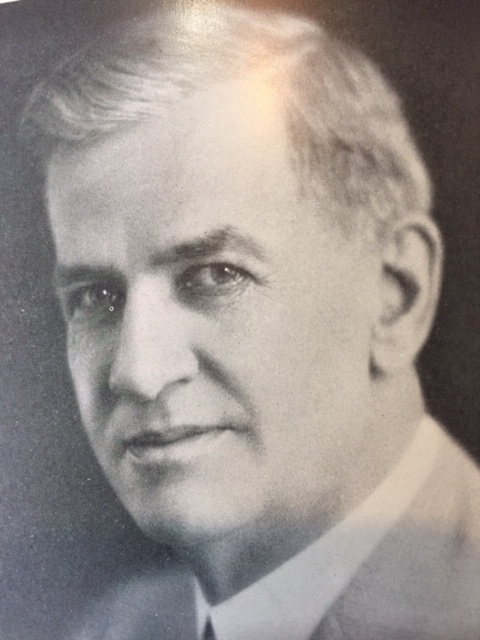
Born in 1873, the son of a prominent Methodist preacher, Carlton Cole Magee was reared in northeastern Iowa. He trained as a teacher and was editor of the student newspaper at what is now Northern Iowa University. By age 23, he was superintendent of schools in Carroll, Iowa.
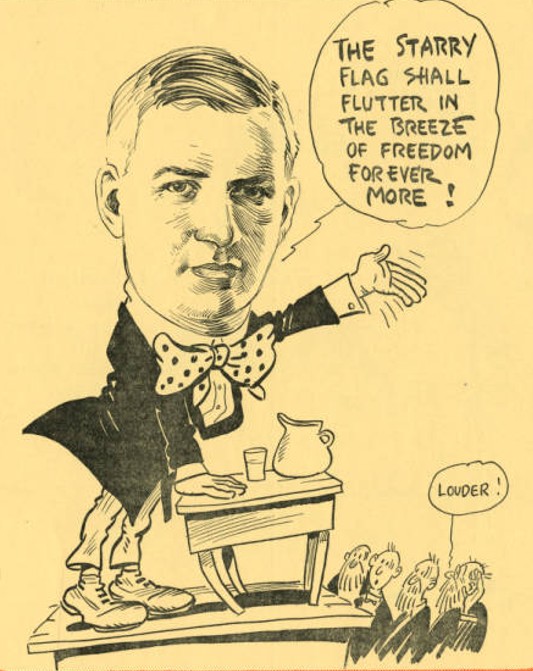
Magee was too restless, though, for a career in education. He studied law in his free time, and moved to Tulsa in what was then Indian Territory. Oil strikes made Tulsa a boomtown, and Magee thrived as an attorney, businessman and booster. He also tried his hand in politics but grew weary of partisan bickering. Instead, the young lawyer threw himself into battling political corruption and vice. He also helped lead the campaign to build the Spavinaw Project to provide water to the rapidly growing city.
But Magee’s wife, Grace, suffered from tuberculosis, and her worsening condition forced the family to move to Albuquerque, where the high, dry climate was beneficial to “lungers.” There Magee pursued a lifelong dream to run a “truth-telling” newspaper. He bought the Albuquerque Journal. After he began crusading against corruption in the state Land Office, though, he faced the wrath of the dominant Republican political machine led by U.S. Senator Albert Fall. During an economic downturn, Fall arranged for Magee’s loans to be called, and he was forced to sell the newspaper.
Undaunted, Magee started a weekly paper he called Magee’s Independent, and he soon took it daily, renaming it the New Mexico State Tribune (the name later would change to The Albuquerque Tribune). He continued his muckraking journalism. Judge David Leahy, a key player in the GOP ring, charged Magee with criminal libel and later contempt of court. Magee was convicted of multiple charges and sentenced to prison but pardoned by the governor. Drawn by Magee’s plight, the Scripps-Howard company bought a controlling share of the Tribune, providing Magee with the financial security he needed to continue his fight. The company also adopted Magee’s motto, “Give light and the people will find their own way,” which soon led to the creation of the Scripps-Howard lighthouse logo.
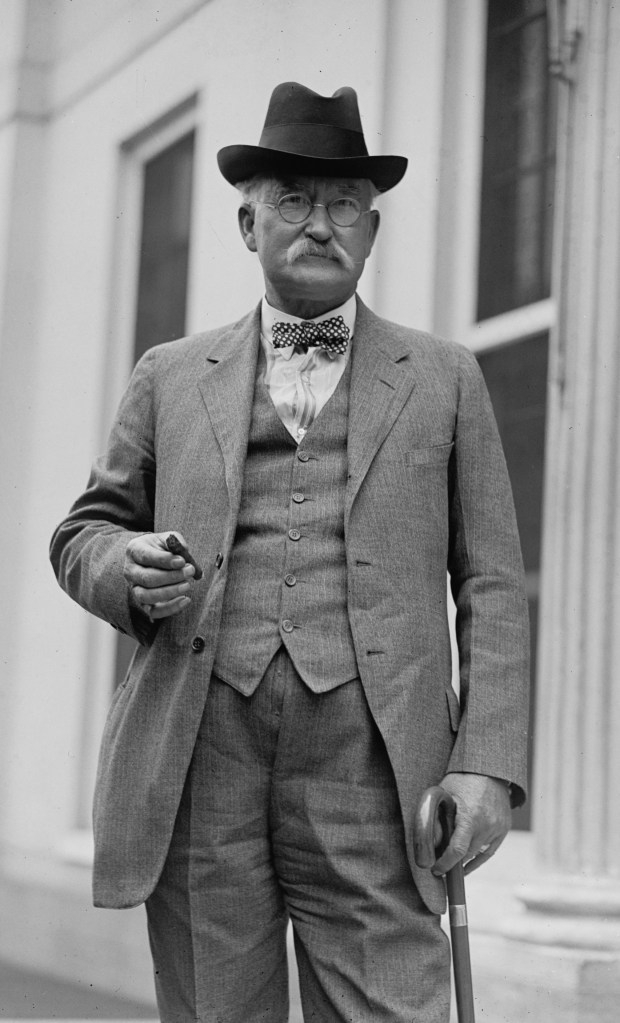
Senator Fall, meanwhile, had been named Secretary of the Interior by President Warren Harding. In that job, Fall granted no-bid leases to two oil barons – Harry Sinclair and Edward Doheny – allowing them to drill in federal reserves that had been set aside for the U.S. Navy. Magee noticed that Fall was suddenly flush with cash and began raising questions about the source of the money. The New Mexico editor collaborated with a reporter from the Denver Post to investigate. After the publisher of the Post suppressed the story, Magee passed the findings through his Scripps-Howard channels to Senator Thomas Walsh, who was leading an investigation of the oil leases. Walsh called Magee to testify before a Senate subcommittee, and the Teapot Dome scandal broke open. Sinclair and Doheny had given Fall hundreds of thousands of dollars during the lease negotiations. He became the first cabinet secretary in U.S. history to be sent to prison.
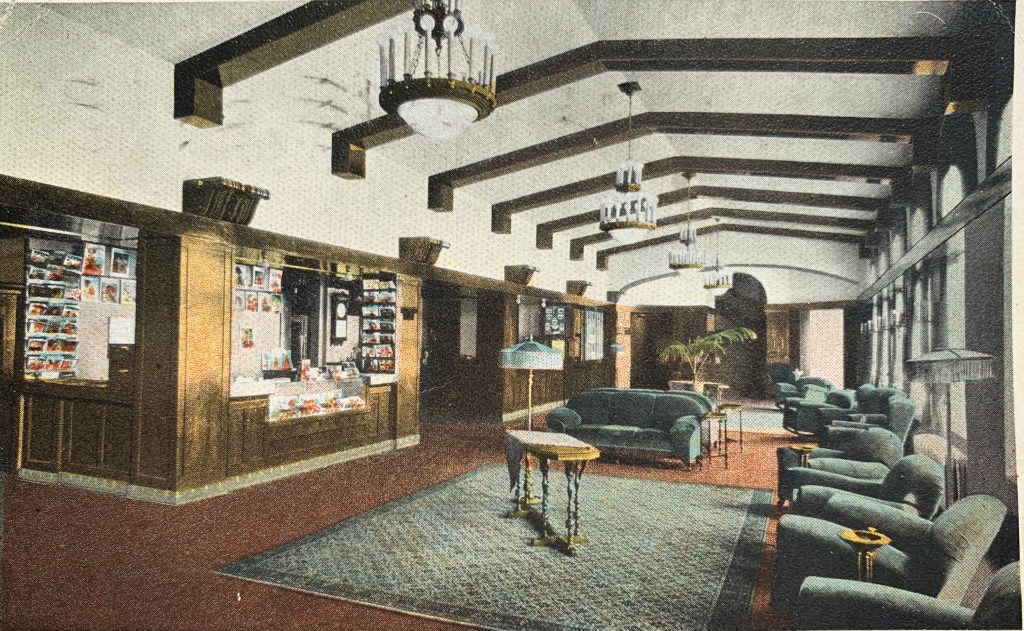
Judge Leahy was voted out of office, but he remained furious that Magee had been pardoned. He threatened the editor, who began carrying a pistol for protection. When Leahy found Magee sitting in a hotel lobby in Las Vegas, New Mexico, the former judge attacked him from behind and beat him with fist and feet. Magee fell to the floor, stunned and injured. He grasped his .25-caliber automatic and fired three shots. One bullet struck Leahy in the arm. But another entered the throat of John Lassetter, a young highway engineer who had hurried over to help. Lassetter died at the scene, and Magee was charged with murder. The following year, the charge was reduced to manslaughter, and he was acquitted at trial.
Scripps-Howard decided to transfer Magee to its struggling newspaper in Oklahoma City, the Oklahoma News. There he continued his vigorous journalism and his now-famous “Turning On The Light” column, exposing an unholy alliance between politicians and roadbuilders and guiding the community through the tumult after oil was discovered under Oklahoma City. When the Great Depression hit, Magee persuaded Scripps-Howard to challenge the dominance of the Daily Oklahoman by launching a competing Sunday paper. But the Oklahoman retaliated and tried to drive the News out of business. Magee and and his Scripps-Howard bosses disagreed over how to respond, and he resigned.
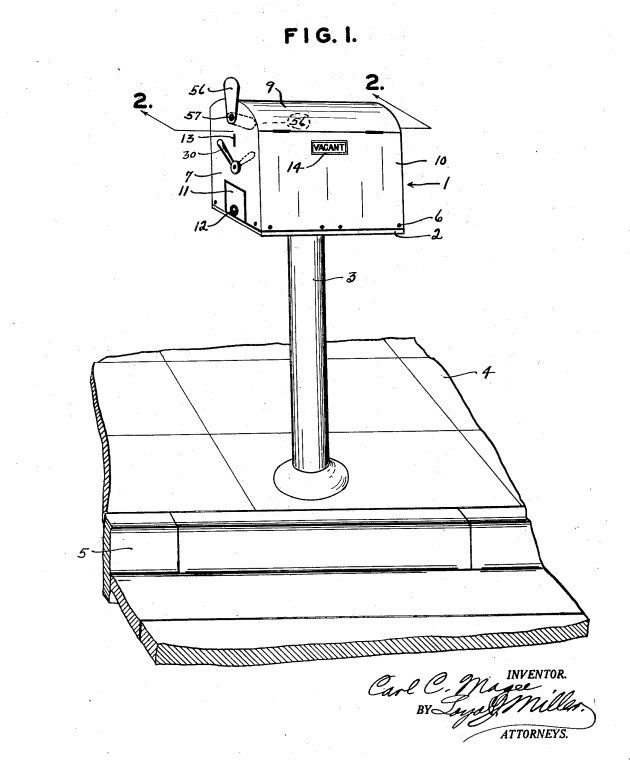
While he was editor of the News, Magee had been asked to chair a Chamber of Commerce committee trying to solve Oklahoma City’s downtown parking problem, which had become chaotic. Magee conceived of the idea of the parking meter. He built a crude prototype and patented the invention. Before leaving the newspaper, he enlisted help with the design at what would become Oklahoma State University. There professors H.G. Thuesen and Gerald Hale created a working prototype, and after Magee left the newspaper, they all worked together to deploy the world’s first parking meters in Oklahoma City. The invention was a huge success. The Dual Parking Meter Co. and, later, the Magee-Hale Parking Meter Co. thrived.
Magee launched another enterprise at the same time. He purchased the Whitcomb Springs mountain retreat outside Albuquerque, where his wife had spent time recovering from tuberculosis, and the Magees and some close friends ran the place as a resort. They renamed it Carlito Springs in honor of son Carl Magee Jr., who had died in a plane crash as a young man. Years later, Carlito Springs would be purchased by the local county government and become a crown jewel of Albuquerque’s open space program. .

After wife Grace died in 1936, Magee moved to Texas and tried to rekindle his old newspaper magic in the Lower Rio Grande Valley. But he soon returned to Oklahoma City, where he threw himself into civic causes. During World War II, he headed Oklahoma’s War Chest drive, raising millions for the Red Cross and the USO. He was stricken with heart problems and died in early 1946.
The full story of this remarkable man’s life, as well as his heritage and legacy, will be related in detail in Citizen Carl: The editor who cracked Teapot Dome, shot a judge and invented the parking meter, scheduled for publication by the University of New Mexico Press in April 2024, marking the 100th anniversary of Magee’s breaking open the Teapot Dome scandal.

 Jack McElroy Books